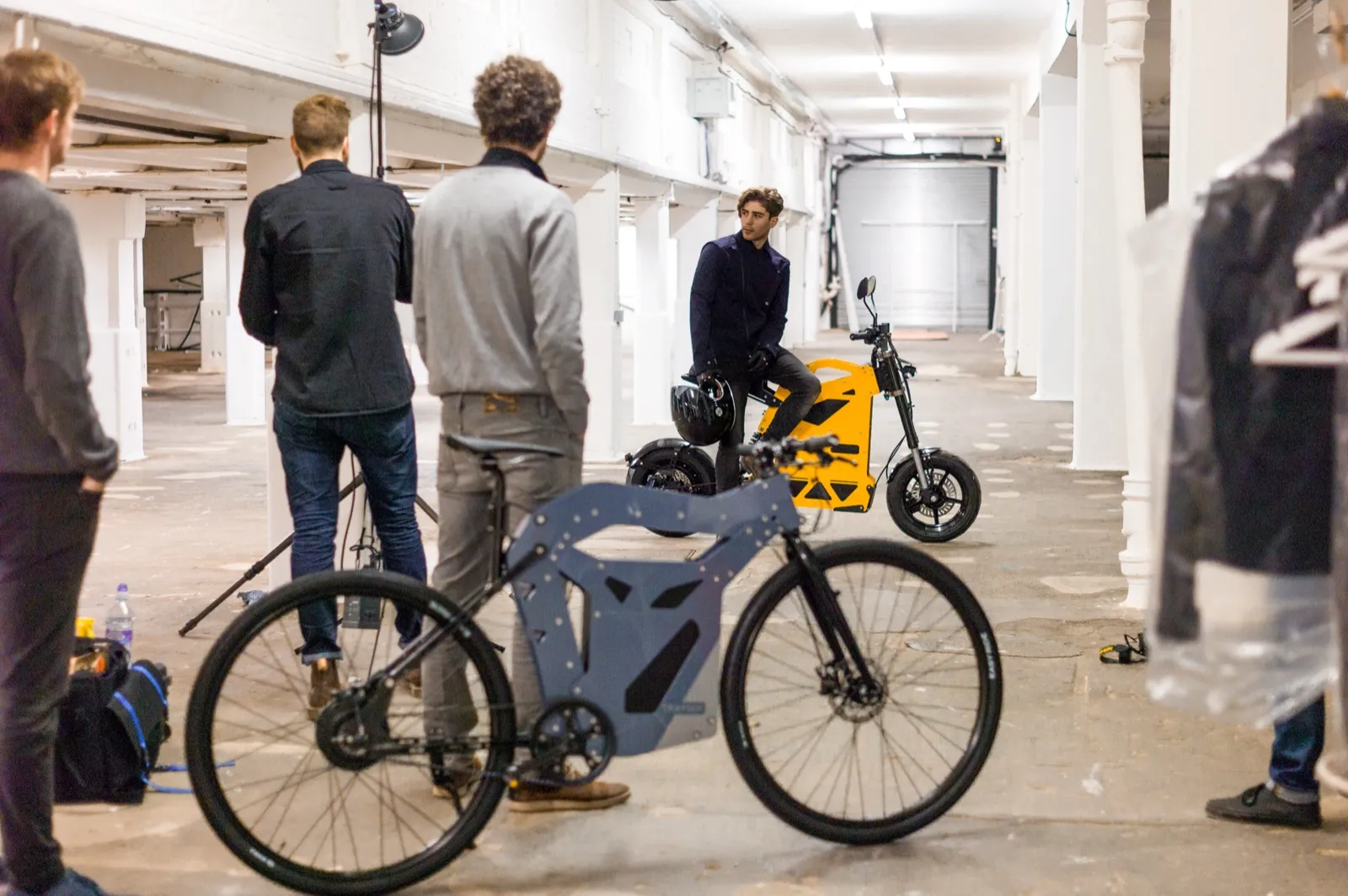
 Part of the Otto Scooter family
 Belt drive vs chain on a delivery e-bike
A chain is the part of a delivery bike that gets ignored until it costs you a day. Here is exactly what a belt removes from that list — and what it costs you in return.
Is a belt drive better than a chain for delivery riding?
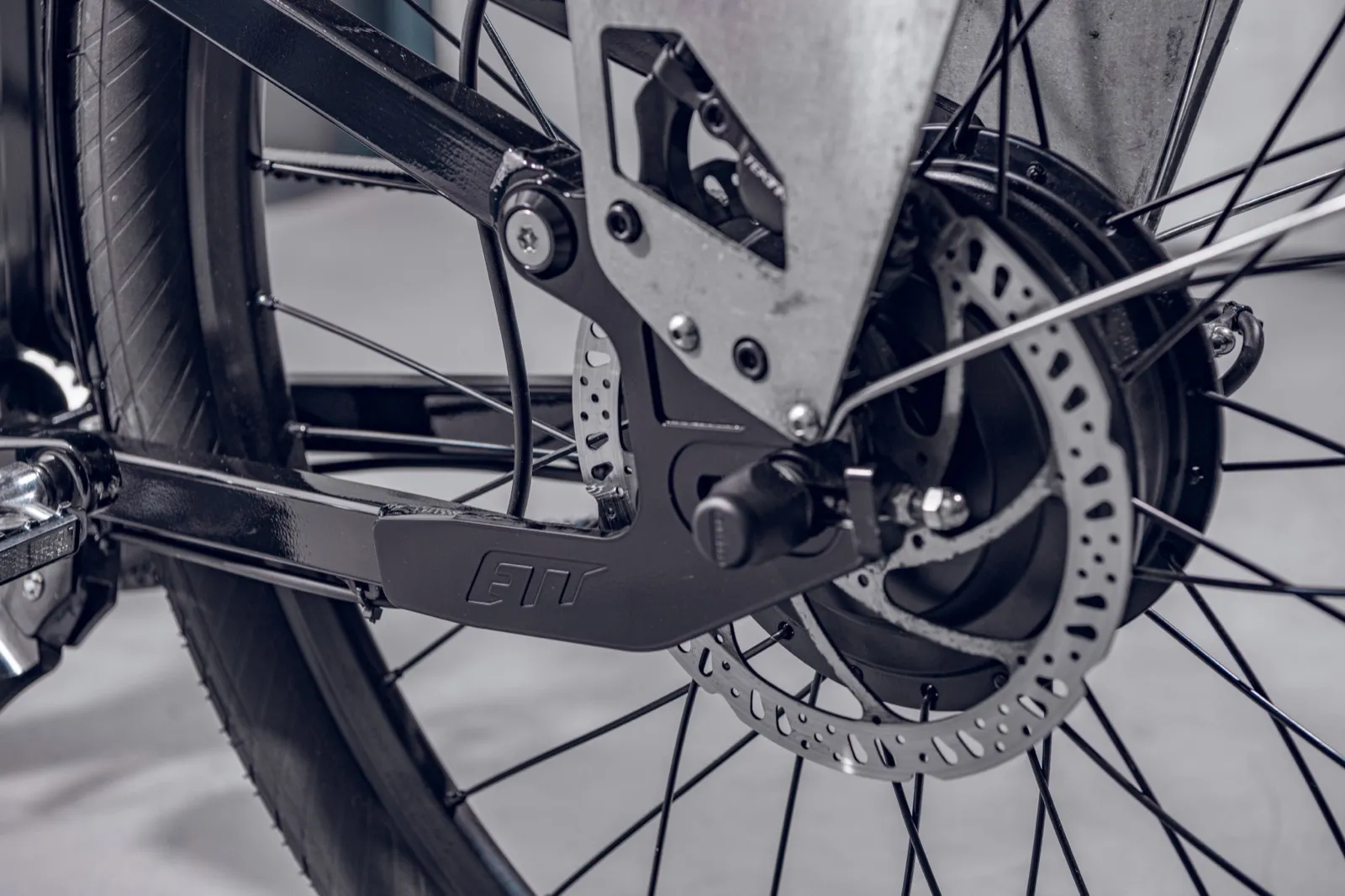
For London delivery work, usually yes. A Gates carbon belt runs dry: nothing to lubricate, nothing to degrease, nothing to mark your leg on a shift. It has no steel links to rust in February and no pins and bushings to wear, so it does not stretch out of pitch the way a roller chain does and then start eating the sprockets.
The honest cost: a belt needs a frame built with a split in the rear triangle, it cannot be broken and rejoined at the roadside, a replacement belt is dearer than a replacement chain, and it works with a single-speed or internal gear hub rather than a derailleur. On a flat, dense delivery route those are cheap trades. On a hilly touring bike they might not be.
ETT Industries is part of Otto Scooter Ltd — we make the Trayser. Competitor specs below come from each maker's published pages. Checked 30 August 2026: Zoomo Zero spec · Zoomo Sport spec. Where a maker does not publish a figure we write “not published” rather than estimate it. Last updated: 30 August 2026.
What actually differs
| Gates carbon belt | Roller chain | |
|---|---|---|
| Lubrication | None — runs dry | Regular cleaning and re-oiling |
| Stretch | Carbon cords do not stretch | Wears out of pitch over time |
| Corrosion | No steel links to rust | Rusts if left wet and unoiled |
| Mess | Dry — no oil on clothes or hands | Oil picks up road grit |
| Roadside repair | Not possible — cannot be split | A split link and a tool |
| Frame requirement | Split rear triangle needed | Any frame |
| Gearing | Single-speed or internal hub | Internal hub or derailleur |
| Part cost when replaced | Higher per belt | Lower per chain |
| Replacement frequency | Far less often | A consumable on a delivery bike |
No mileage figures in that table on purpose. Gates publishes lab testing on belt life, and makers quote it freely, but we only print numbers we can point you at on a live public page — so this comparison stays with what is mechanically true rather than what is convenient.
Why delivery is the hardest case for a chain
A commuter rides 8 miles a day in dry weather. A delivery rider can put 40 miles through the same drivetrain in one shift, most of it stop-start, much of it in the rain, with a motor adding torque at every pull-away. A chain in that duty cycle needs attention weekly. It rarely gets it — riders are paid by the drop, not by the hour, and a Tuesday morning spent degreasing a chain is a Tuesday morning not earning.
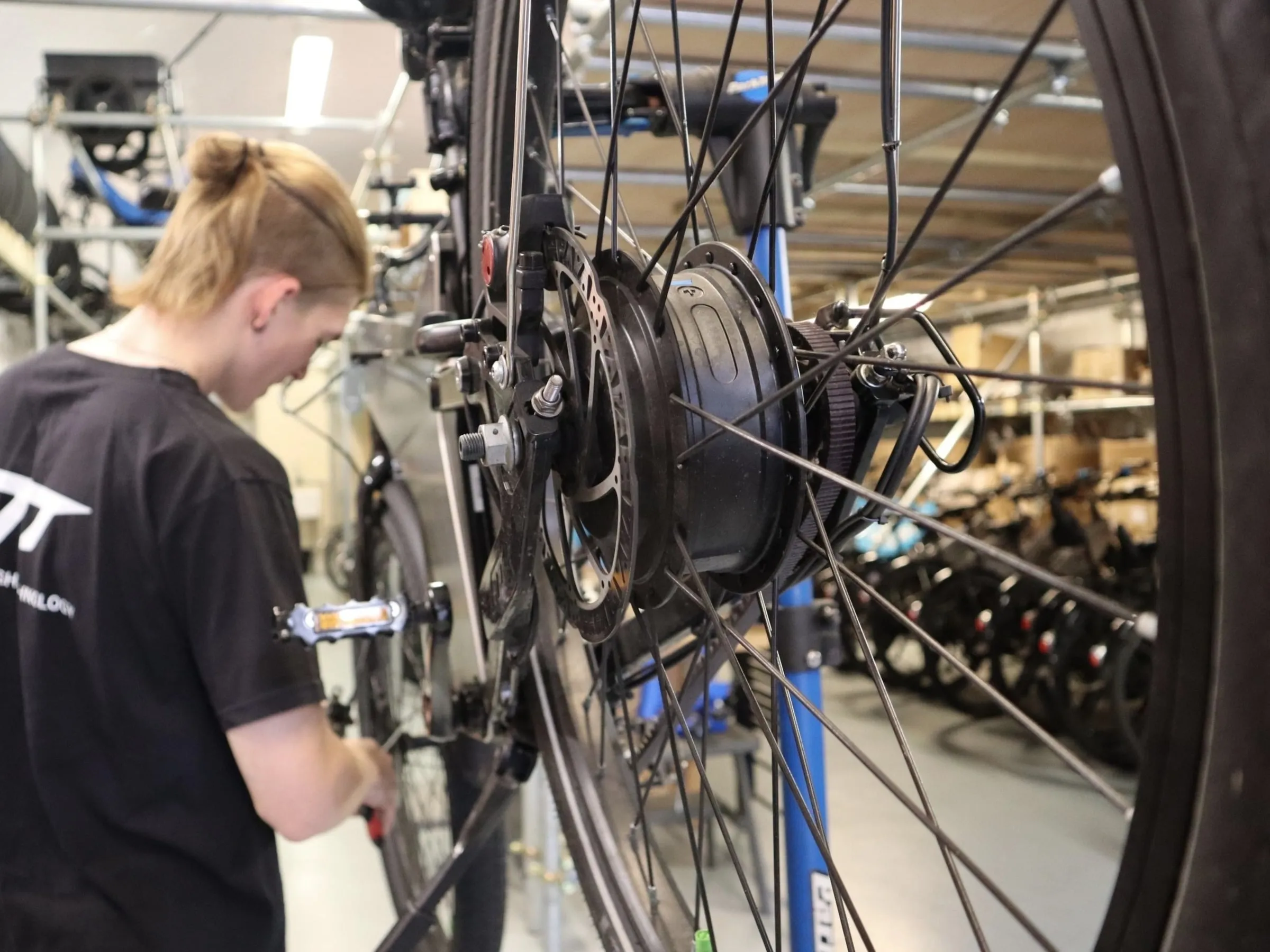
What follows is predictable: the chain wears out of pitch, the shifting gets vague, the sprockets wear to match, and the eventual repair is a drivetrain rather than a chain. A belt does not remove every maintenance job on a bike — tyres, brake pads and bearings are still there — but it removes the one that fails first and gets skipped most.
What rival makers publish
Zoomo does not publish a drive type for either e-bike on its UK rider line-up. The Zero's spec table lists a 3-speed internal gear hub and “internal gearing”; the Sport lists a SRAM X5 9-speed groupset, which implies a derailleur but is not a published drive type. We write “not published” in our tables rather than infer, and you should treat any comparison that fills those blanks in with suspicion — including ours, if we ever do it.
What we do not claim
We do not publish a service interval for the Trayser, or a “X km between workshop visits” figure. Otto Scooter's workshop has the bikes and the records; when there is enough data for a number to survive scrutiny, it will appear here with the sample size beside it. Until then the belt argument stands on what the part is, not on a statistic.
The other maintenance decision: brakes
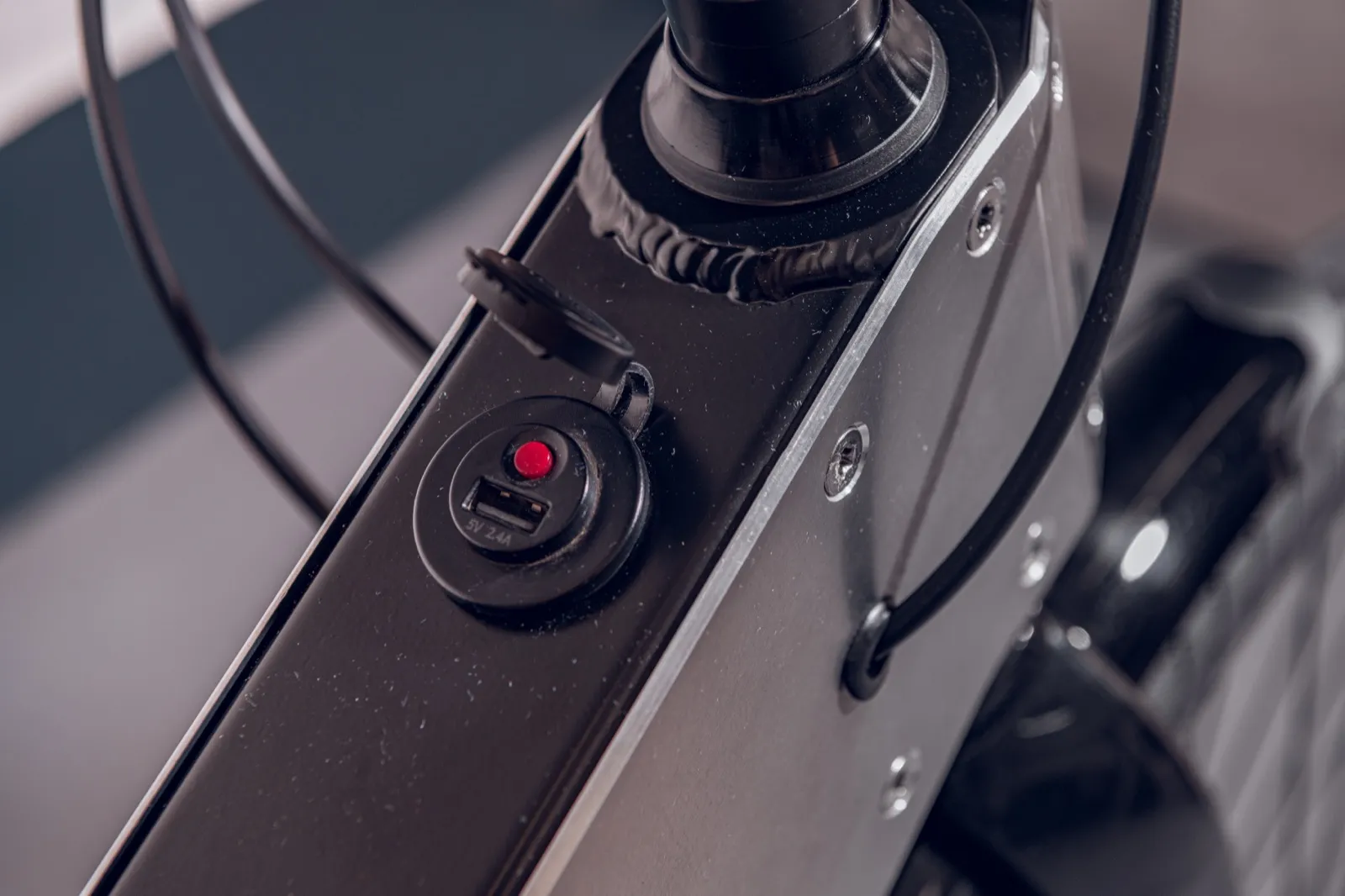
A loaded delivery bike in wet traffic stops on brake feel. The Trayser uses hydraulic disc brakes front and rear — self-adjusting as the pads wear, unaffected by a wet rim. Zoomo publishes hydraulic disc brakes on the Sport and does not publish the brake type on the Zero. If you are comparing bikes in person, squeeze the levers in the rain before you sign anything.
A drivetrain with nothing to oil
The belt comes on the bike. The maintenance comes in the price.
Otto Scooter rents the Trayser 2.0 with maintenance and battery swaps included at the Hammersmith workshop — no per-visit charge, most jobs done the same working day.
- £55 per week
- £49 per week for Uber Eats and Deliveroo riders
- £200 refundable deposit
Collection at Otto Scooter, 66 Paddenswick Road, Hammersmith W6 0UB. No credit check. As an EAPC the Trayser needs no licence and no CBT.
Belt vs chain, answered
Is a belt drive better than a chain on a delivery e-bike?
Why do chains fail so often on delivery bikes?
Does the ETT Trayser 2.0 use a belt or a chain?
What maintenance does a belt drive need?
What are the downsides of a belt drive?
The rest of the decision
Best e-bike for food delivery in London
The honest field: the Trayser, Zoomo’s Zero, the Cycl Carr-E and the e-moped option, with what each maker actually publishes.
Read the guide →Trayser 2.0 vs Zoomo Zero
Head to head on battery, range, drive, brakes, weekly price and deposit — and where Zoomo is genuinely the better answer.
Read the guide →How many watt-hours does a delivery shift need?
Watt-hours per mile, worked from published numbers, plus what a week of charging costs at the current price cap.
Read the guide →Best e-bike for Uber Eats and Deliveroo
The platform rate, why an EAPC needs no licence or CBT, and what the £49 week does and does not include.
Read the guide →