 Part of the Otto Scooter family
 How many watt-hours does a delivery shift need?
Battery marketing is written in miles. Miles depend on a test nobody publishes. This page does the arithmetic in watt-hours, in front of you, from figures each maker prints on its own site.
How many watt-hours does a full delivery shift need?
Roughly 20 watt-hours per mile. The ETT Trayser 2.0 publishes 1,056 Wh for 50–60 miles, which is 17.6–21.1 Wh per mile — call it 18–21 in London traffic. So a 30-mile shift draws about 600 Wh, a 40-mile shift about 800 Wh, and a 50-mile shift about 1,000 Wh.
That is the whole battery argument in one line: a 628 Wh pack (the figure Zoomo publishes for its Zero and its Sport) is comfortable up to about 30–35 miles at the same consumption, and a 1,056 Wh pack keeps going past 50. Add the assist level you actually ride at, a loaded box, a headwind and a cold February, and the gap widens rather than narrows.
ETT Industries is part of Otto Scooter Ltd — we make the Trayser. Competitor specs below come from each maker's published pages. Checked 30 August 2026: Zoomo Zero spec · Zoomo Sport spec · Ofgem price cap, 1 Jul–30 Sep 2026. Where a maker does not publish a figure we write “not published” rather than estimate it. Last updated: 30 August 2026.
Work it out for your own shift
Three steps, no spreadsheet: your miles, times your watt-hours per mile, against the pack on the bike. The consumption figure below is derived from ETT's own published rating, so it is the honest one to use on a Trayser — a lighter bike with a smaller motor will use less.
A 40-mile London shift
- Shift distance
- 40 miles
- Consumption (1,056 Wh ÷ 55 miles)
- ~19 Wh/mile
- Energy needed
- ~760 Wh
- Left in a 1,056 Wh Trayser pack
- ~296 Wh
- A 628 Wh pack runs out at
- ~33 miles
Same maths, your numbers: divide the pack size by the miles you actually ride and you have your own watt-hours per mile. Nothing here is a lab figure — it is one published rating divided by another published rating.
What the makers actually print
| ETT Trayser 2.0 | Zoomo Zero | Zoomo Sport | Cycl Carr-E | |
|---|---|---|---|---|
| Battery | 1,056 Wh | "628Wh" | "628Wh" | 576 Wh |
| Published range | 50–60 miles | 80 km | 80 km | 40 miles |
| Implied Wh/mile | 18–21 | about 12.6 | about 12.6 | about 14.4 |
| Removable | Yes | Yes | Yes | Yes |
| Charge time | About 4 hours | "4 hours" | "4 hours" | About 4 hours |
The "implied Wh/mile" column is our arithmetic on each maker's own two published numbers, not a measurement. It exists to show that range ratings are not written to the same assumptions — which is the reason to compare packs, not promises. Cycl is a sister brand in the same group as ETT; its figures come from Otto Scooter, which rents the Carr-E. One bike is out of this table because Zoomo publishes two numbers for it: the London plans page lists the “Zoomo 1” at £55/week with the same “628Wh” line as the Zero, one pack, while Zoomo's own Zoomo 1 product page says “Dual 48V, 700 Wh” — two packs, 1,400 Wh on the bike (both checked 2 September 2026). We quote both rather than pick one. Pack against pack it is 1,056 Wh against 700 Wh, 51% more on the Trayser; as a whole bike the twin-pack Zoomo 1 carries more, and we say so. Why the single pack is the figure that counts for a workshop swap is on the Trayser vs Zoomo Zero page.
What a week of charging costs
A full Trayser charge is 1.056 kWh of energy in the pack. Chargers are not perfect, so allow about 15% and you draw roughly 1.2 kWh from the wall. The Ofgem price cap sets the electricity unit rate at 26.11p per kWh for direct debit customers between 1 July and 30 September 2026, which puts a full charge at about 31p and five charges — a normal working week — at about £1.57. Six charges is £1.88. Under £2 either way.
Petrol does not compete with that, and neither do ULEZ or the Congestion Charge, which are £0 on a bicycle. What the number does not include is your time: an e-bike that needs a mid-shift charge costs you earning hours, which is the expensive part.
Amp-hours are half a number
Spec sheets often lead with amp-hours because the figure sounds bigger. Amp-hours only become energy once you multiply by voltage: watt-hours = amp-hours × volts. Zoomo's Zero page reads "13 & 17Ah" and then "628Wh", which is the number that means something. When a maker publishes amp-hours without volts, you cannot compare the pack to anything — treat that as not published.
Charging, swapping, and the third option
There are three ways to get through a long day. Charge overnight and ride one pack: fine up to about 50 miles on a Trayser. Carry or rent a second pack: Zoomo publishes an extra battery at £15 a week at select locations. Or swap: Otto Scooter exchanges a flat 1,056 Wh Trayser pack for a charged one at the Hammersmith workshop at no cost, which is the option that suits riders who are back through West London anyway.
What we do not publish
We do not publish a cycle-life figure, a capacity-after-two-winters figure, or a watt-hours-per-mile measured on instrumented bikes. When the workshop has enough data for those numbers to mean something, they will appear here with the sample size next to them.
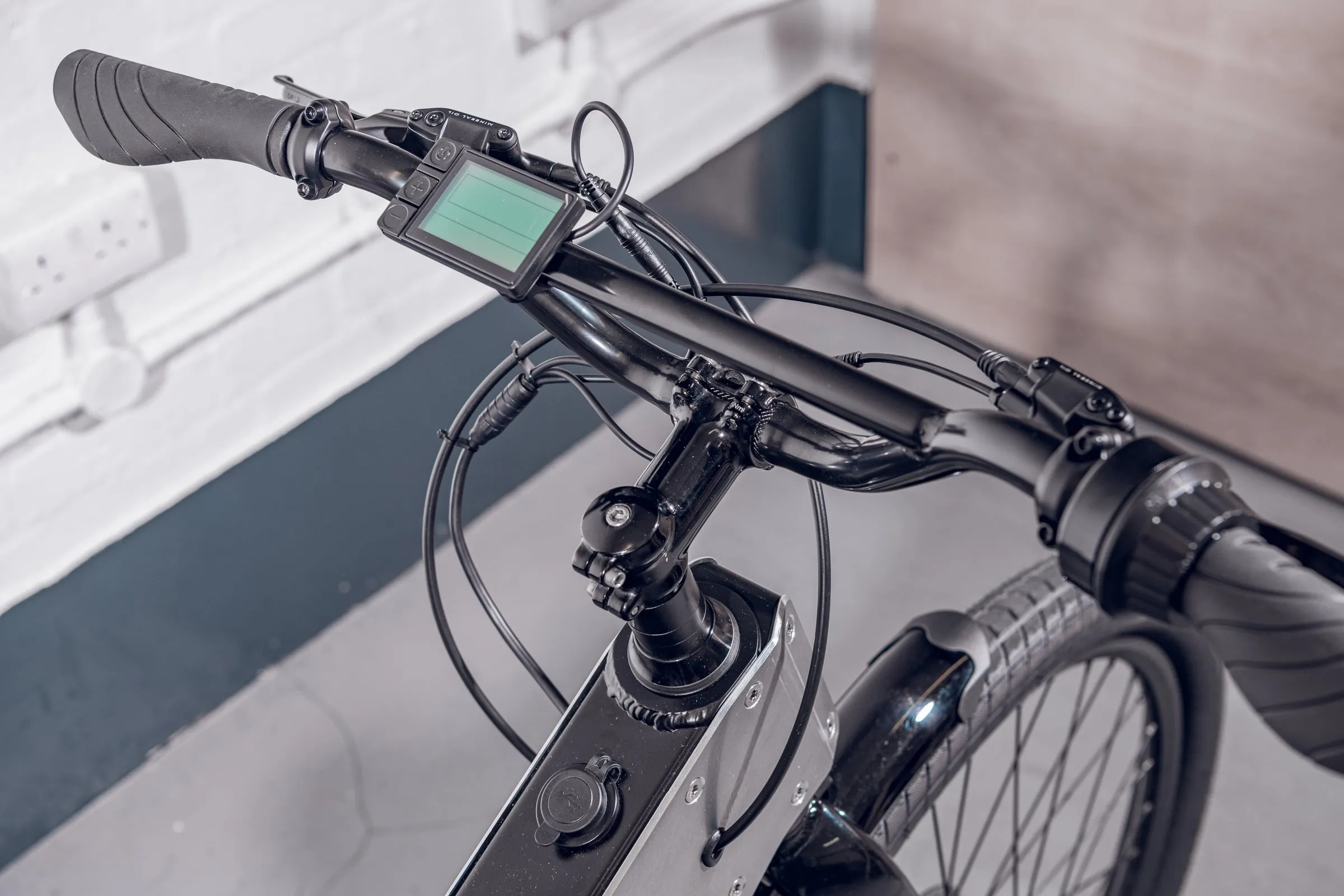
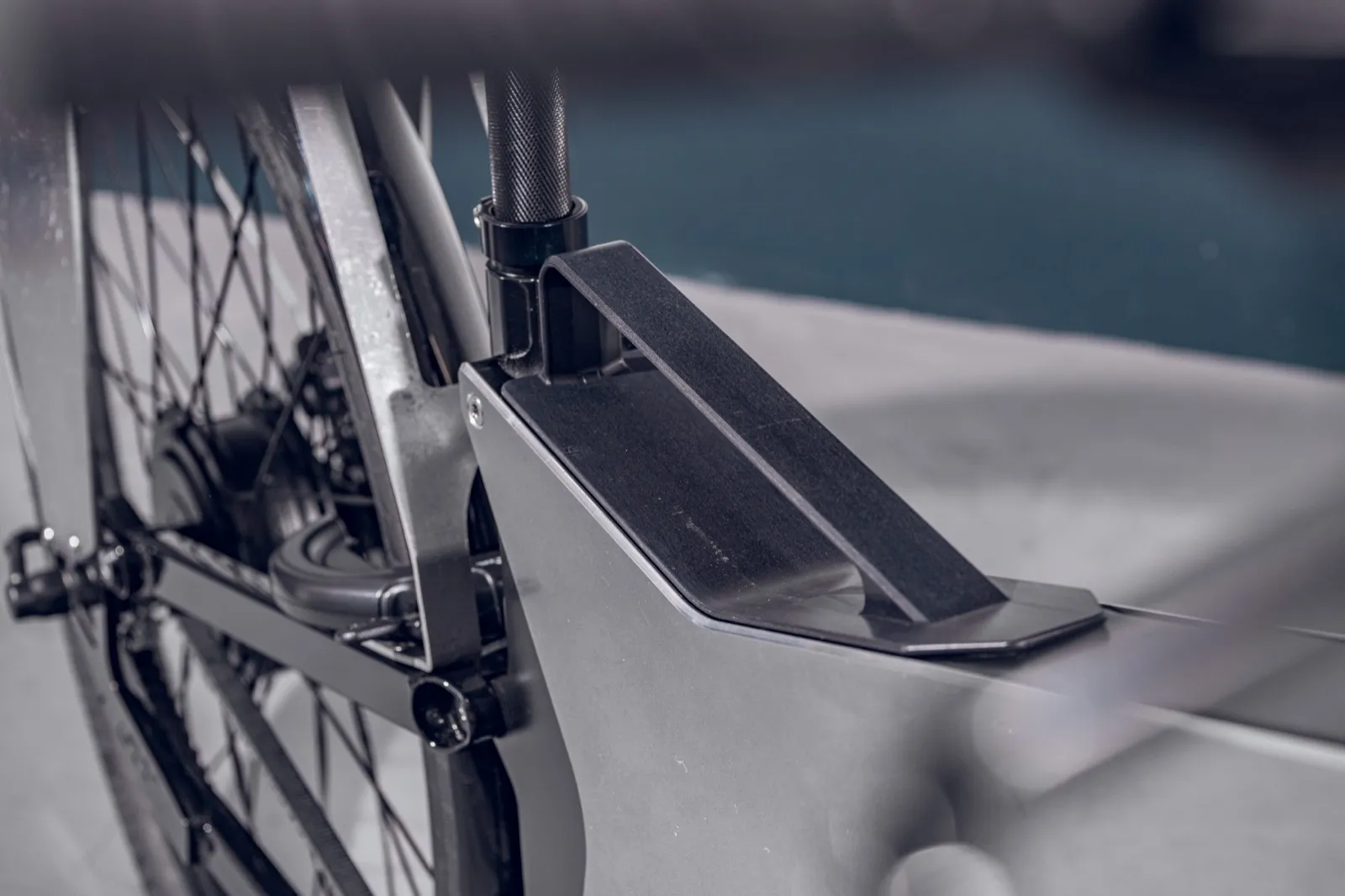
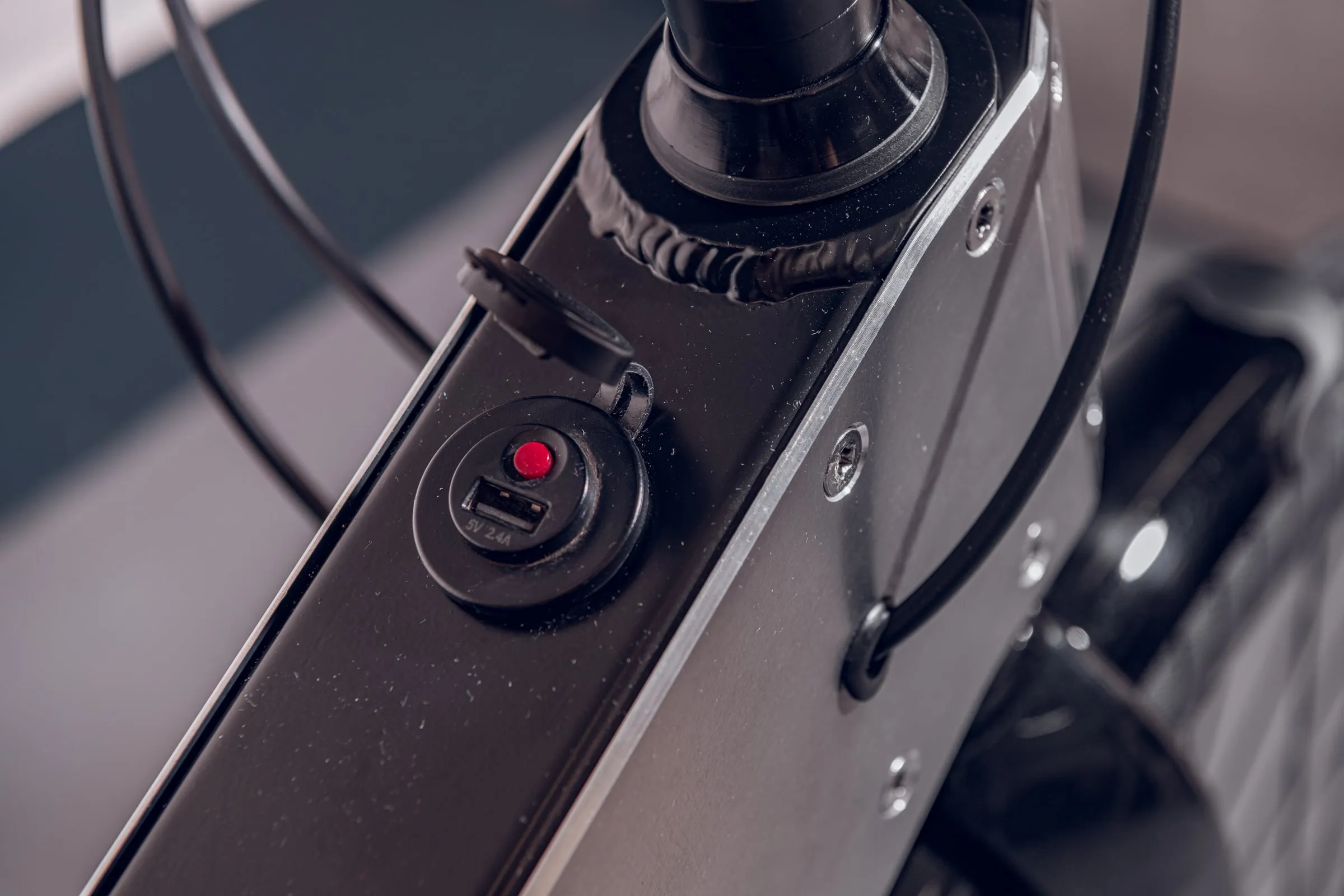
1,056 Wh, and it comes off the frame
Rent the 1,056 Wh pack, not the marketing
The Trayser 2.0 is rented in London by Otto Scooter — battery, charger, lock, maintenance and free swaps inside the weekly price.
- £55 per week
- £49 per week for Uber Eats and Deliveroo riders
- £200 refundable deposit
Collection at Otto Scooter, 66 Paddenswick Road, Hammersmith W6 0UB. £200 refundable deposit, no credit check. As an EAPC the Trayser needs no licence and no CBT.
Watt-hours, range and charging, answered
How many watt-hours does a delivery e-bike need for a full shift?
How far will 1,056 Wh take a delivery rider?
What does it cost to charge a delivery e-bike for a week?
Why compare batteries in watt-hours instead of miles or amp-hours?
Is a removable battery better for a delivery rider?
The rest of the decision
Best e-bike for food delivery in London
The honest field: the Trayser, Zoomo’s Zero, the Cycl Carr-E and the e-moped option, with what each maker actually publishes.
Read the guide →Trayser 2.0 vs Zoomo Zero
Head to head on battery, range, drive, brakes, weekly price and deposit — and where Zoomo is genuinely the better answer.
Read the guide →Belt drive vs chain for delivery
What a belt removes from the maintenance list, what it costs you in return, and when a chain is the smarter choice.
Read the guide →Best e-bike for Uber Eats and Deliveroo
The platform rate, why an EAPC needs no licence or CBT, and what the £49 week does and does not include.
Read the guide →